
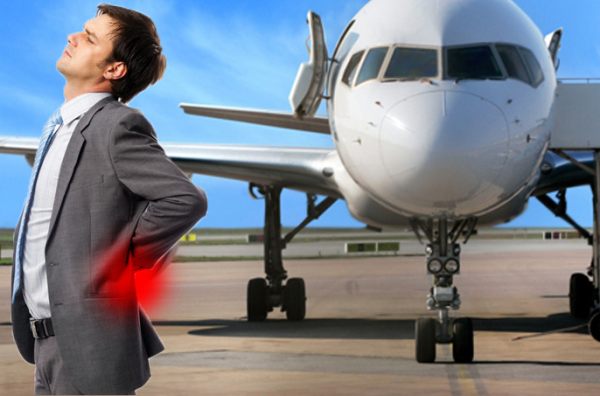
Summer travel is one of the most common triggers for low back pain that patients bring into our San Diego chiropractic offices at Gonstead Family Chiropractic, serving Kearny Mesa, Vista, Oceanside, National City, and Chula Vista. Long flights, road trips, sleeping in unfamiliar beds, and hours of sitting in positions your spine is not used to can take a minor issue and turn it into a vacation-ruining problem fast.
The good news is that most travel-related low back pain is preventable with a few specific habits before, during, and after your trip. Dr. Zach Beatty shares what actually works.
Why Summer Travel Is So Hard on Your Lower Back
Low back pain during travel almost always comes down to one thing: sustained compression in poor positions. Your lumbar spine is designed to move. When you sit still for hours in a car seat or airplane seat that does not support the natural curve of your spine, the discs between your vertebrae absorb that load without relief.
Common travel triggers for low back pain include:
- Sitting in a fixed position for more than 45 minutes without movement, which increases disc pressure significantly
- Lifting and loading heavy luggage with a twisted or rounded spine, especially overhead bins and car trunks
- Sleeping on unfamiliar mattresses that do not support spinal alignment
- Dehydration during travel, which reduces disc hydration and increases compression sensitivity
- Stress and anxiety during travel, which creates muscle guarding and spinal tension before the trip even begins
For more on how prolonged sitting affects lumbar disc health, visit the Mayo Clinic’s overview of back pain causes.
What to Check Before You Leave San Diego
The best time to address your spine is before a long trip, not after. If you are already dealing with a disc issue, nerve irritation, or chronic low back tension, a pre-travel Gonstead adjustment can reduce the likelihood of a flare-up significantly.
Before your trip, a proper spinal evaluation should check:
- Lumbar alignment and whether any existing misalignment will be aggravated by sustained sitting
- Pelvic balance, since an unlevel pelvis creates uneven load distribution throughout the lower back
- Disc health, particularly at the L4-L5 and L5-S1 levels which bear the most load during sitting
- Hip flexor tension, which pulls the lumbar spine into extension under prolonged sitting load
- Overall spinal mobility to ensure your spine can handle the positional demands of your specific travel plans
To learn more about how we evaluate and treat low back pain at Gonstead Family Chiropractic, visit our low back pain chiropractic care page.
Practical Tips to Protect Your Low Back During Travel
These are specific strategies that address the mechanical causes of travel-related back pain.
During car travel:
- Stop every 45 to 60 minutes and walk for at least 5 minutes. Do not just stand by the car. Walk.
- Place a small rolled towel or travel lumbar pillow in the curve of your lower back to maintain the natural lumbar curve
- Adjust your seat so your hips are at or slightly above knee height. Hips below knee height flattens the lumbar curve and increases disc pressure
- Avoid driving with your wallet in your back pocket as it creates an uneven pelvic base
During air travel:
- Request an aisle seat so you can stand and move without disturbing others
- Use the tray table to rest your elbows when reading or using a device instead of hunching forward
- Perform seated spinal movement by sitting at the edge of your seat and gently arching your lower back three to five times per hour
- Stay hydrated with water, not alcohol or caffeine, which dehydrate the discs
At your destination:
- Sleep with a pillow between your knees if you are a side sleeper to keep the pelvis level
- Avoid sitting on low soft couches or chairs for extended periods
- Walk on grass, sand, or softer surfaces when possible rather than concrete
Why Gonstead Patients Travel Better
Patients who receive regular Gonstead care before and after travel consistently report better tolerance for long trips and faster recovery when they do experience discomfort. When your lumbar spine is properly aligned and your pelvis is level, your body distributes the load of sitting more evenly across your discs and joints rather than concentrating it at one or two vulnerable segments.
Specific benefits of pre-travel and post-travel Gonstead care include:
- Reduced baseline inflammation in lumbar joints before sustained loading begins
- Improved disc health through restoration of proper spinal mechanics
- Faster recovery after a long trip if a flare-up does occur
- Identification of existing misalignments likely to be aggravated by travel before they become a problem
- Peace of mind that your spine is in the best possible position before putting it through the demands of a long trip
Real Results from San Diego Travelers
One patient came in the day after returning from a two-week road trip with severe lower back pain that had started around day three of driving. After a full Gonstead evaluation and a series of targeted lumbar adjustments, she was back to normal activity within two weeks and came back before her next trip for a pre-travel adjustment.
Another patient who travels frequently for summer youth sports tournaments found that scheduling a Gonstead adjustment one to two days before each trip essentially eliminated the back pain he had been experiencing during long drives for three years.
Frequently Asked Questions
Q: Should I see a chiropractor before a long trip or only if I have pain?
A: Ideally both. A pre-travel evaluation can identify spinal issues likely to flare under travel conditions even if you are not currently in pain. Prevention is always easier than recovery.
Q: How long before my trip should I come in?
A: Two to three days before your departure is ideal. That gives any post-adjustment response time to settle and your spine time to stabilize in its corrected position before the demands of travel begin.
Q: What if my back goes out while I am traveling away from San Diego?
A: Ice, not heat, for the first 48 hours of an acute flare. Avoid prolonged sitting and keep moving gently. When you return, come in for a full evaluation so we can assess what happened structurally and correct it.
Q: Can chiropractic care help with travel pain if I already have a disc issue?
A: Yes. Disc-related pain is one of the conditions the Gonstead technique specifically addresses. Proper spinal alignment reduces the mechanical load on affected discs and can significantly reduce flare-up risk during travel.
📞 (858) 997-8203
🗓️ Schedule Online: https://drzach.janeapp.com/
🌐 Visit Our Website: https://gonsteadchiropractic-sd.com/
Dr. Zach’s Got Your Back®