
Chiropractic vs. Physical Therapy: An Honest Comparison
Chiropractic care and physical therapy are both non-invasive, evidence-based approaches to musculoskeletal problems. Chiropractors assess and correct joint restrictions and spinal misalignments. Physical therapists restore and rehabilitate movement, strength, and function. Many patients respond well to both.
A disclosure first: we are chiropractors, so read this the way you would read the same page written by a physical therapist. The real question is not which profession is more legitimate. It is which one fits your problem, and sometimes the answer is both, in the right order.
5-Step Gonstead Protocol
Diagnostic standard of excellence
Full Spine Digital Radiography
Visualizing actual disc angles
3 San Diego County Locations →
Kearny Mesa • Vista • National City
How to Choose: Chiropractor or Physical Therapist First?
Chiropractic looks at the joints and what their dysfunction does to the tissues and nerves they touch. Physical therapy looks at movement and the patterns of use around those joints. Match the provider to the center of the problem:
Chiropractor First
Localized joint or spine pain with restricted motion, pain after an awkward lift, limited turning or bending, and headaches driven by the neck point to specific segments needing correction.
Physical Therapist First
Post-surgical rehabilitation, injury recovery that needs progressive loading, generalized weakness, and movement-pattern problems are physical therapy's home turf.
Both, in Cooperation
For complex or stubborn cases, coordinated care is often the fastest route. If one approach has been tried for months without resolution, the other should be added.
A Physician First
Loss of bladder or bowel control, saddle numbness, progressive weakness, fever with back pain, or major trauma need immediate medical care. Any good chiropractor or therapist will send you there.
Explore the Joint-Centered Problems a Chiropractor Checks First
These are the patterns where a restricted segment is usually the driver. Click any segment below to see what it causes, how it is corrected, and where exercise fits in.
Chiropractic vs. Physical Therapy Anatomy & Segments
Click segment or list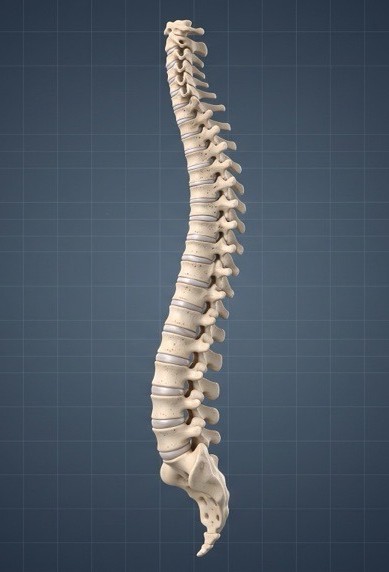
C2 Restriction: Headaches That Start in the Neck
The upper neck joints share nerve pathways with the head and face. When C2 is restricted, the irritation is felt as head pain, and no amount of stretching restores the joint's motion.
Common Clinical Manifestations:
Headaches that begin at the base of the skull, pain behind one eye, and stiffness when turning the head.
A light, specific upper cervical adjustment with no twisting restores motion to the segment. Posture work then keeps the load off it.
How We Decide Whose Case It Is
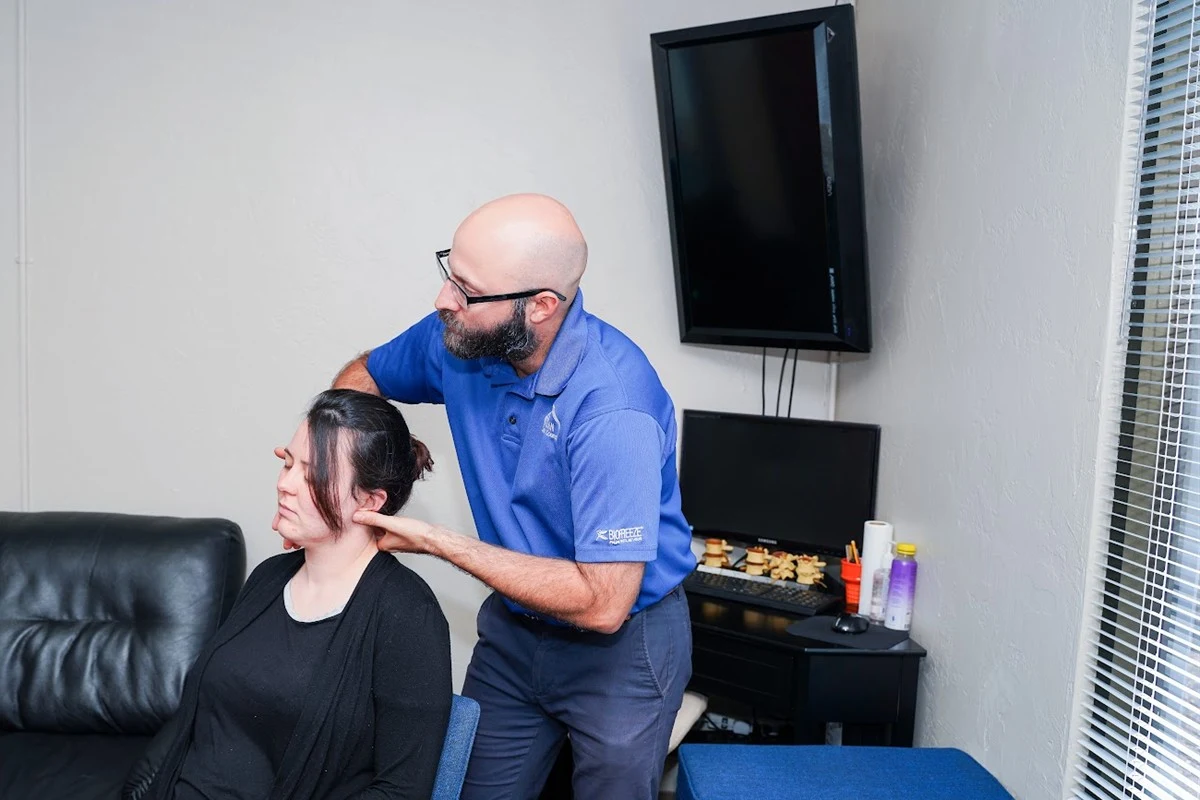
The best question to ask any provider is what the examination consists of and how you will know you are making progress. At our clinics, every joint is assessed with the five-part Gonstead analysis before any adjustment:
Visualization
We watch your posture and movement to see where the problem is centered and how you compensate.
Instrumentation
The Nervo-Scope, a dual-probe temperature instrument, is glided along your spine to detect differences that indicate inflammation and nerve irritation.
Static Palpation
We feel the tissues around each segment at rest for swelling, tenderness, and muscle guarding.
Motion Palpation
We move each joint to find the specific segments that are restricted, or to confirm that none are.
X-Ray Analysis
When clinically warranted, X-rays show alignment and disc spacing and help rule out cases that belong elsewhere.
If your case belongs elsewhere, the referral comes with the report of findings.
We work with and refer to local physical therapists whenever a case turns rehabilitation-centric. Collaboration builds trust rather than eroding it.
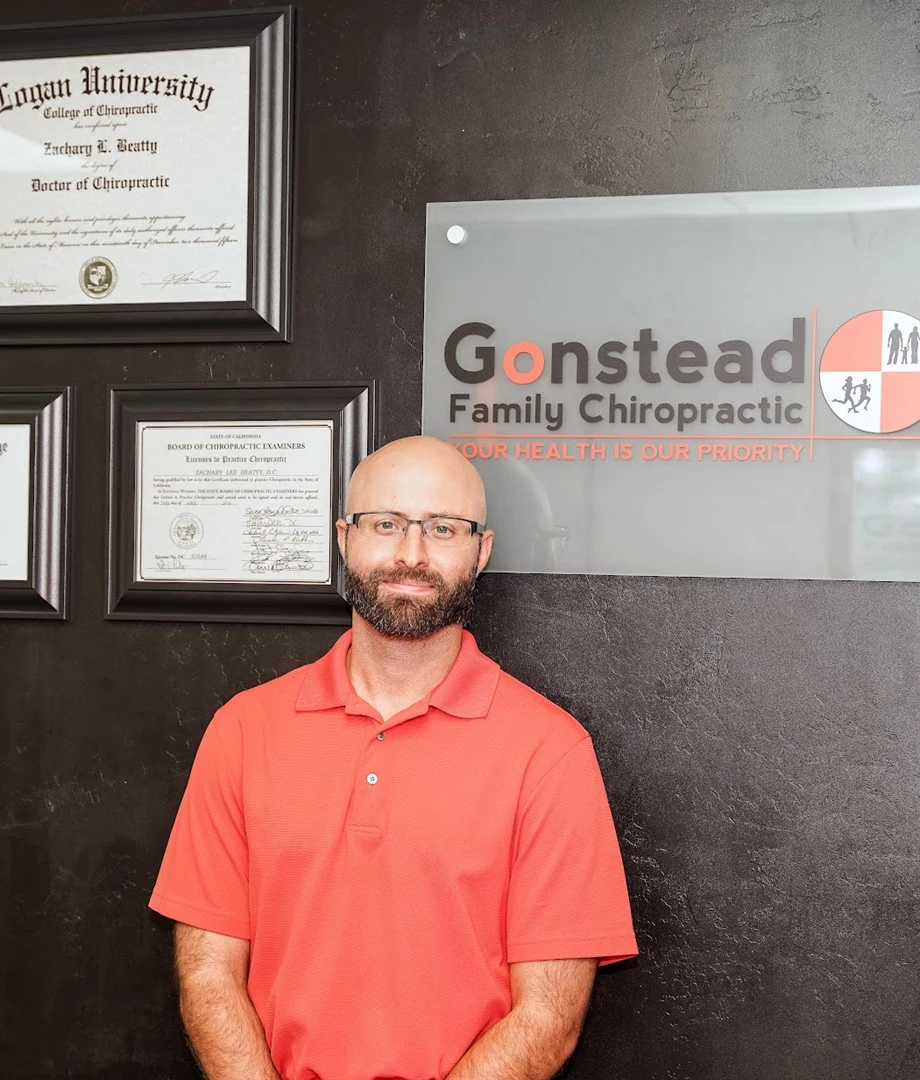
Dr. Zach Beatty, DC
Lead Chiropractor & Gonstead Specialist
Meet Dr. Zach Beatty, D.C. Lead Gonstead Specialist
“Find the subluxation, accept it where you find it, fix it, and leave it alone. The body was built to heal itself when interference is removed.”
Dr. Zachary Beatty, D.C., is a passionate Gonstead chiropractor committed to root-cause healing. Having experienced the life-changing benefits of specific Gonstead adjustments firsthand, Dr. Zach has dedicated his clinical career to mastering this rigorous technique.
With thousands of hours in advanced clinical study and over 25,000 specific adjustments delivered, Dr. Zach provides world-class chiropractic care across three convenient San Diego locations.
Convenience of Care Across 3 San Diego Clinics
Expert Gonstead cervical care is close to home. Select any of our three clinic locations below for direct office hours, directions, and instant online scheduling.
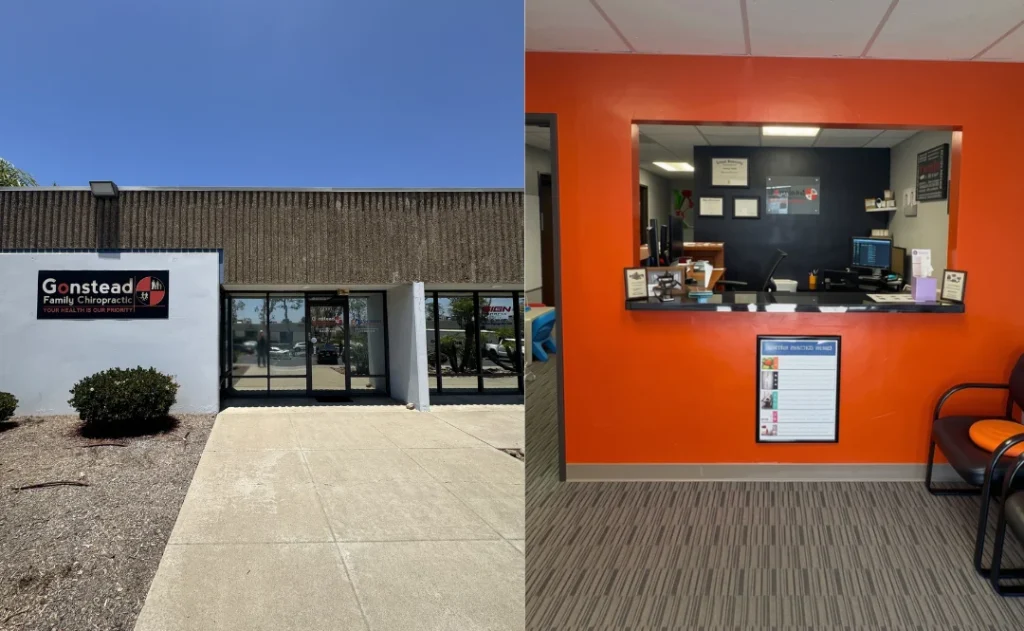
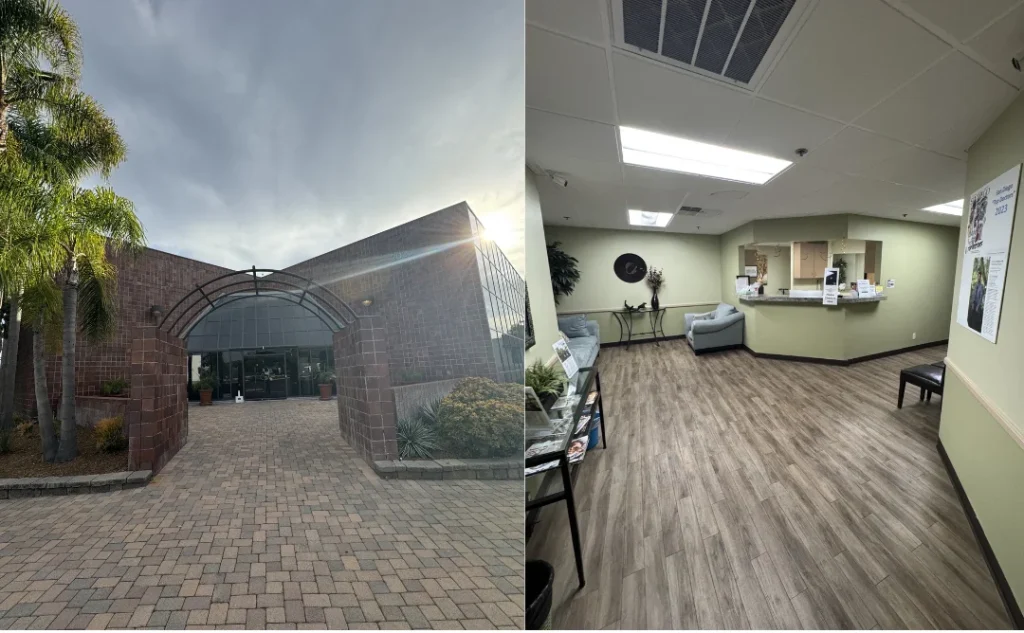

National City Clinic
241 W. 35th Street, Suite B
National City, CA 91950
What Our Patients Say
Real stories of recovery from patients across San Diego County who reclaimed pain-free movement through precise Gonstead care.
Chiropractic vs. Physical Therapy Questions, Answered.
Clear answers on how the two professions differ and how to choose the right one for your problem.
Direct clinic communication with our team
Match the provider to the center of the problem. Joint-specific mechanical pain with restricted movement is best addressed by a chiropractor. Post-operative rehabilitation, progressive strengthening, and movement retraining belong with a physical therapist. Many complex cases need both, and either professional should be able to tell you where your problem lies.
A chiropractor corrects joint restrictions and spinal misalignments through specific adjustments. A physiotherapist, the same profession as a physical therapist in the United States, rehabilitates movement, strength, and function through exercise and hands-on care. Both are licensed and evidence-based.
It depends on the back pain. Joint-related mechanical pain usually responds best to chiropractic care, while weakness-related pain suits therapy better. The American College of Physicians guideline includes both spinal manipulation and exercise among its recommended non-drug options for low back pain, so coordinated care is a legitimate goal.
Yes, and for many cases it is the best arrangement: correction and rehabilitation running in parallel, each reinforcing the other. Tell each provider about the other. We work with and refer to local physical therapists whenever a case turns rehabilitation-centric.
Yes, though differently. Our exercises support specific joint corrections by building the core, hip, and postural foundation that helps an adjustment hold. A physical therapist's program is a comprehensive graded rehabilitation, the primary treatment itself. When a patient needs that, we make the referral.
Access, Visits, and Cost in California
Both professions are licensed, both use their hands, and both prescribe exercise. The practical differences are worth knowing before you choose:
Direct Access
You can book a chiropractor directly. Physical therapy can also start without a referral, but continuing beyond 45 days or 12 visits, whichever comes first, requires a physician's referral.
Visit Length
Our follow-up visits run 10 to 15 minutes. Physical therapy visits average 30 to 60. Neither length means better or worse care, just different services.
Insurance & Cost
Most common insurance plans cover both, though coverage rules and cost-sharing can differ. Our staff verifies your benefits so you know your cost before care begins.
The Professions Complement More Than They Compete
Exercise has limits if the joint is restricted, and a corrected joint slides back if the muscles around it stay weak. That is why our care includes progressive home exercise, and why we refer for full rehabilitation when a patient needs it.
If It Feels Joint-Centered, Start With an Exam Built for Joints.
The five-part Gonstead analysis is available at our Kearny Mesa, Vista, and National City clinics, with a full report of findings and a referral if your case belongs elsewhere. Book online, or call or text (858) 997-8203.
Quick Appointment Request
Select your location and our clinical team will reserve your examination spot: