
Plantar Fasciitis Chiropractor in San Diego
That first step out of bed should not feel like stepping on a nail. If sharp heel pain greets you every morning, or your feet ache after standing, walking, or running, plantar fasciitis may be the reason. It rarely improves when it is simply ignored.
Instead of only chasing the symptom, we look at how your feet, ankles, knees, hips, and spine work together, because the way your body carries weight often explains why the plantar fascia became irritated. We see heel pain patients at our Kearny Mesa, Vista, and National City offices.
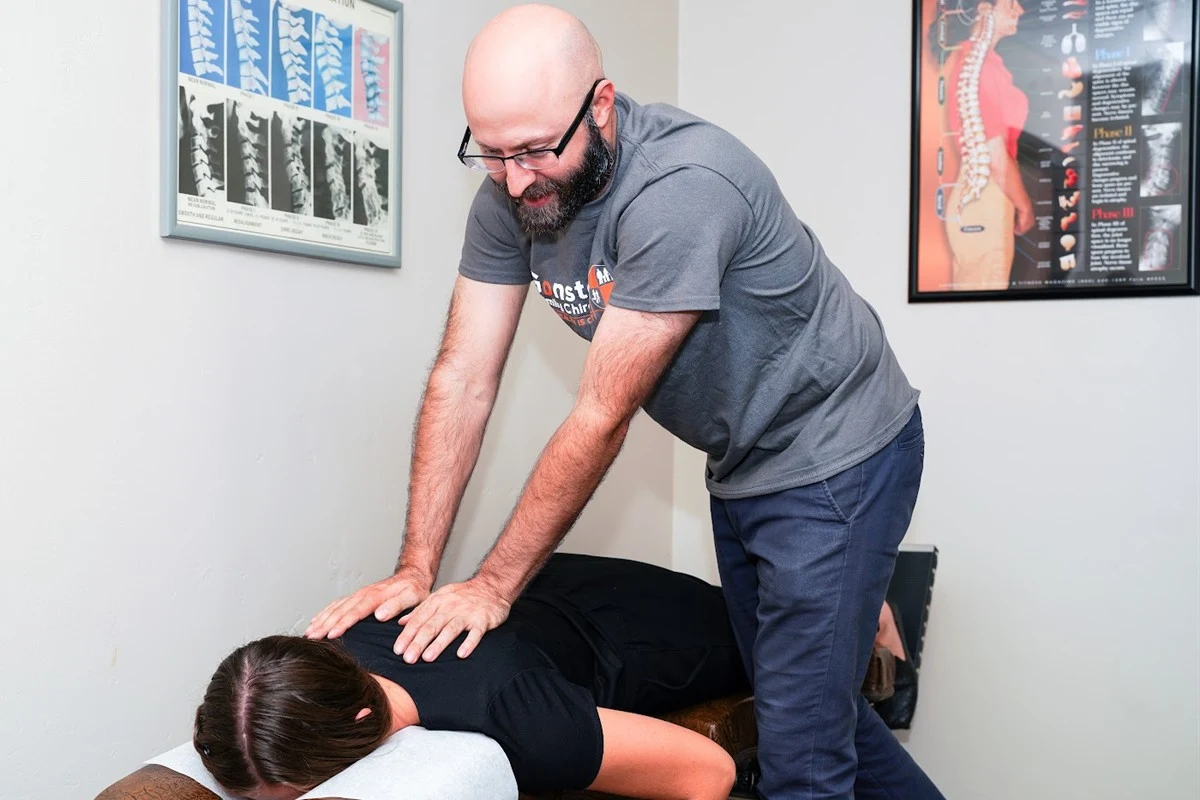
5-Step Gonstead Protocol
Diagnostic standard of excellence
Full Spine Digital Radiography
Visualizing actual disc angles
3 San Diego County Locations →
Kearny Mesa • Vista • National City
The Most Common Causes of Plantar Fasciitis We See in San Diego
Plantar fasciitis is usually an overuse problem rather than a single injury. The plantar fascia supports your arch and absorbs shock with every step, and these factors overload it:
Tight Calves & Achilles
Tight calf muscles and a tight Achilles tendon increase the pull on the heel, keeping the fascia under tension where it attaches.
Flat Feet or High Arches
Flat feet, high arches, and unsupportive footwear change how the arch absorbs load, straining the fascia with every step.
Hard Floors & Activity Spikes
Prolonged standing on hard floors, sudden increases in walking or running, and extra body weight are common triggers for runners, teachers, nurses, and warehouse and retail workers.
Mechanics Higher Up the Body
If the pelvis is unlevel, the spine is misaligned, or one leg carries more load, the foot on that side absorbs extra stress over thousands of steps a day.
Explore the Kinetic Chain Behind Your Heel Pain
While the pain shows up in the heel, the problem often does not start there. Click any joint below to see how it loads the plantar fascia and how it is corrected.
Plantar Fasciitis Chiropractor Anatomy & Segments
Click segment or list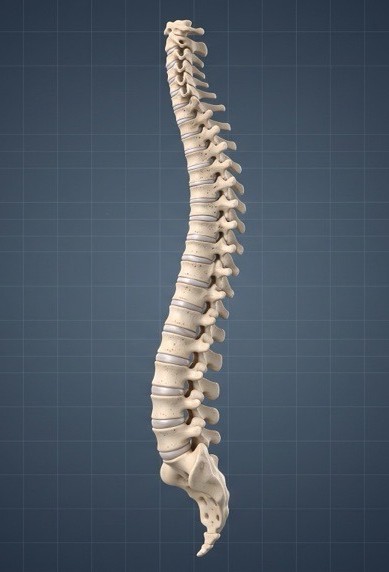
Heel Restriction: Strain Where the Fascia Attaches
The plantar fascia attaches at the heel bone. Repeated overload creates small areas of irritation there, and a restricted heel joint adds to the strain.
Common Clinical Manifestations:
Sharp or stabbing pain at the bottom of the heel with the first steps of the day, and tenderness on the inside edge of the heel.
A gentle, specific adjustment to the restricted joint, with home strategies to calm morning pain. Possible stress fractures or nerve involvement are referred.
Finding the True Source of the Strain
No two feet, and no two bodies, load weight exactly the same way. Your first visit includes a complete history and a hands-on examination to find the true source of the strain, not just the place where it hurts:
Visualization
We evaluate your posture and gait and check for pelvic imbalance and leg length difference.
Instrumentation
The Nervo-Scope, a dual-probe temperature instrument, is glided along your spine to detect differences that indicate inflammation and nerve irritation.
Static Palpation
We feel the heel, arch, and ankle at rest for tenderness, swelling, and tissue tightness.
Motion Palpation
We move the joints of the foot, ankle, pelvis, and spine to identify which are not moving as they should.
X-Ray Analysis
X-rays are taken when necessary. Signs of fracture, infection, or significant nerve involvement are referred.
Adjust only what needs to be adjusted, in the exact direction it needs to move.
Restoring normal joint mechanics helps your body stand, walk, and absorb impact the way it was designed to, which takes pressure off the overworked plantar fascia.
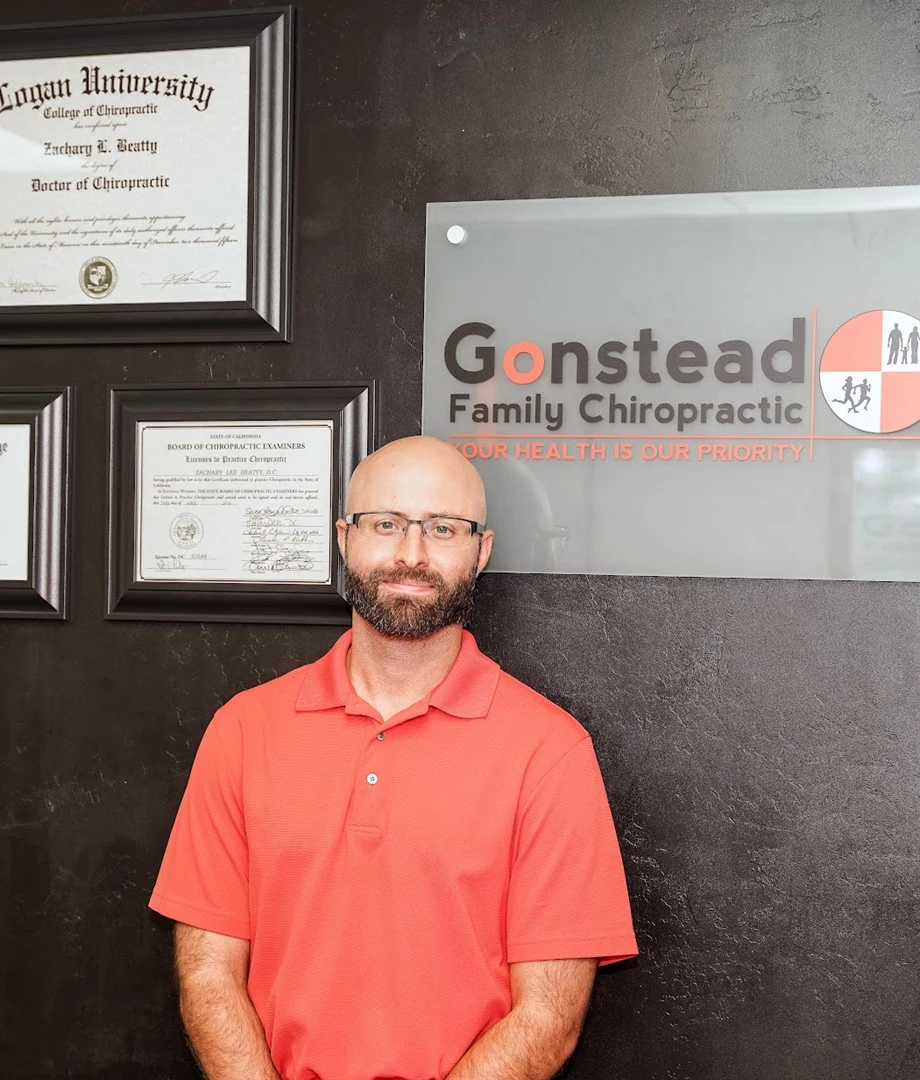
Dr. Zach Beatty, DC
Lead Chiropractor & Gonstead Specialist
Meet Dr. Zach Beatty, D.C. Lead Gonstead Specialist
“Find the subluxation, accept it where you find it, fix it, and leave it alone. The body was built to heal itself when interference is removed.”
Dr. Zachary Beatty, D.C., is a passionate Gonstead chiropractor committed to root-cause healing. Having experienced the life-changing benefits of specific Gonstead adjustments firsthand, Dr. Zach has dedicated his clinical career to mastering this rigorous technique.
With thousands of hours in advanced clinical study and over 25,000 specific adjustments delivered, Dr. Zach provides world-class chiropractic care across three convenient San Diego locations.
Convenience of Care Across 3 San Diego Clinics
Expert Gonstead cervical care is close to home. Select any of our three clinic locations below for direct office hours, directions, and instant online scheduling.
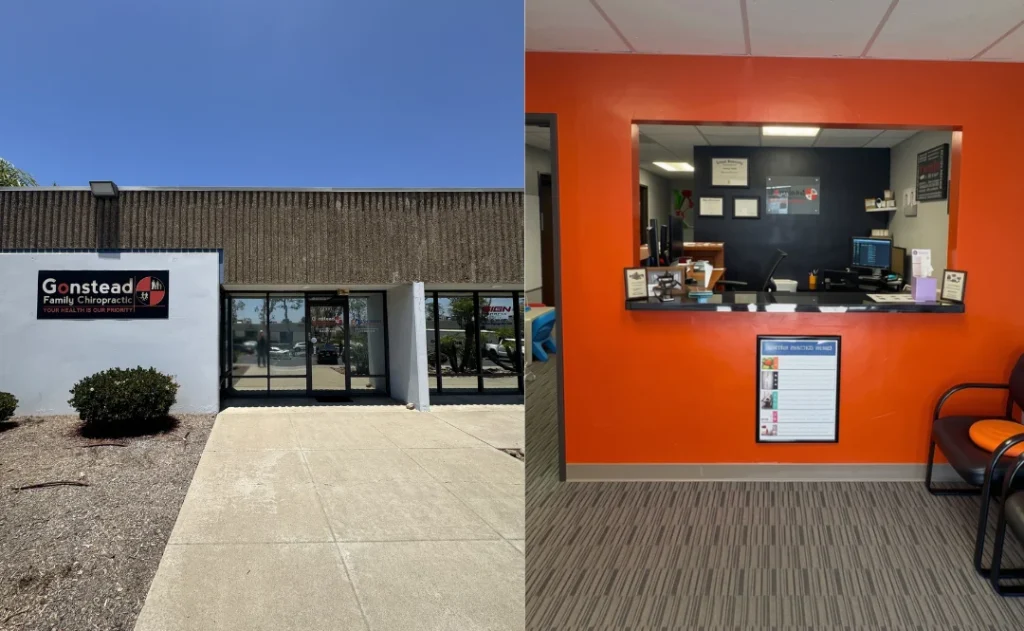
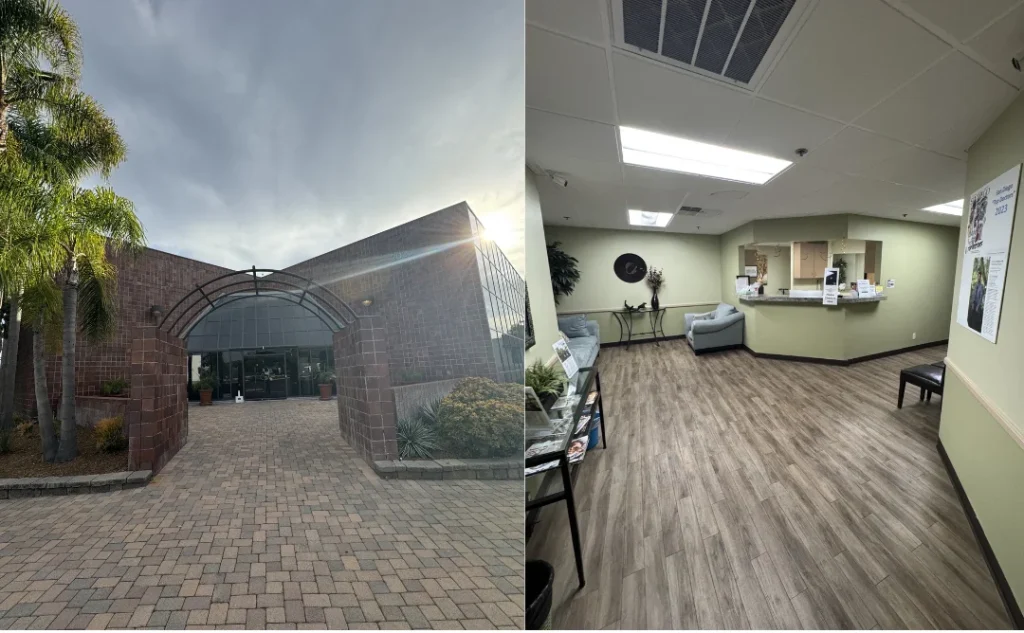
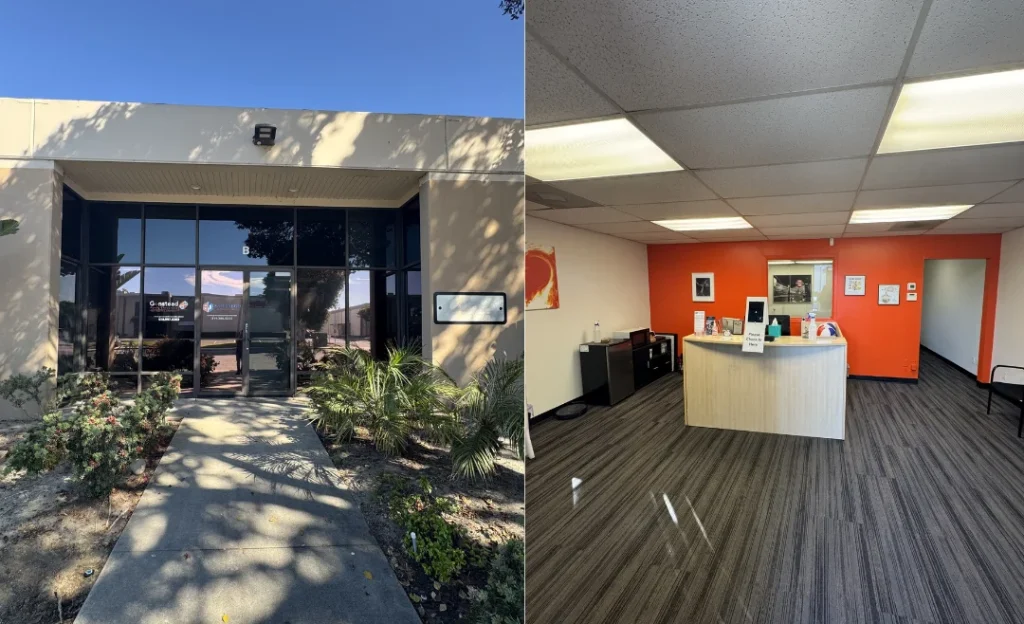
National City Clinic
241 W. 35th Street, Suite B
National City, CA 91950
What Our Patients Say
Real stories of recovery from patients across San Diego County who reclaimed pain-free movement through precise Gonstead care.
Plantar Fasciitis Questions, Answered.
Clear answers on how chiropractic care helps heel pain, how long it takes, and who to see first.
Direct clinic communication with our team
Yes, chiropractic care may help many people with plantar fasciitis. We evaluate the alignment and movement of the feet, ankles, knees, hips, and spine, since imbalances in these areas can place extra strain on the plantar fascia. Results vary from person to person, and some cases benefit from co-management.
We begin with a detailed history and examination to find the source of the strain, which may include restricted joints in the foot and ankle, pelvic imbalance, or spinal misalignment affecting gait. Care may include specific adjustments, stretching guidance, footwear recommendations, and home care strategies.
It depends on your situation. A podiatrist focuses on the foot itself and can provide orthotics, injections, or surgical options for severe cases. A chiropractor looks at how your whole body loads the foot. If you have signs of fracture, infection, or nerve damage, seek medical evaluation first.
Timelines vary with how long the condition has been present, your activity level, footwear, and overall health. Some patients notice changes within a few weeks of consistent care and home stretching, while chronic cases can take several months.
Heel pain has several possible causes, including Achilles tendon issues, heel spurs, nerve entrapment, and referred pain from the lower back. A thorough examination helps identify the likely source. If your heel pain needs medical care, we refer you to the appropriate provider.
Yes. We welcome patients with plantar fasciitis and heel pain at our Kearny Mesa, Vista, and National City offices. Choose the location closest to you.
What Plantar Fasciitis Care Is Like at Our Office
If chiropractic care is a good fit for your heel pain, you receive a clear plan that outlines what we will do, how often, and what you can do at home. Your plan may include:
Specific Chiropractic Adjustments
Gentle adjustments to restricted joints in the foot and ankle, the pelvis, or the spine, depending on your findings.
Stretching Guidance
Targeted stretches for the calf, Achilles tendon, and plantar fascia, so improvement continues between visits.
Footwear & Daily Habits
A review of footwear, standing surfaces at work, and activity pacing, with honest advice if orthotics or co-management would help.
Chiropractor, Podiatrist, or Physical Therapy?
Each plays a different role, and they are not in competition. Chiropractic care does not cure plantar fasciitis overnight, and results vary. Some patients notice changes within a few weeks, while chronic cases can take several months. We refer when your case needs a different kind of care.
Take the First Comfortable Step.
You do not have to plan your day around heel pain. Book an evaluation at our Kearny Mesa, Vista, or National City office online, or call or text (858) 997-8203.
Quick Appointment Request
Select your location and our clinical team will reserve your examination spot: